-
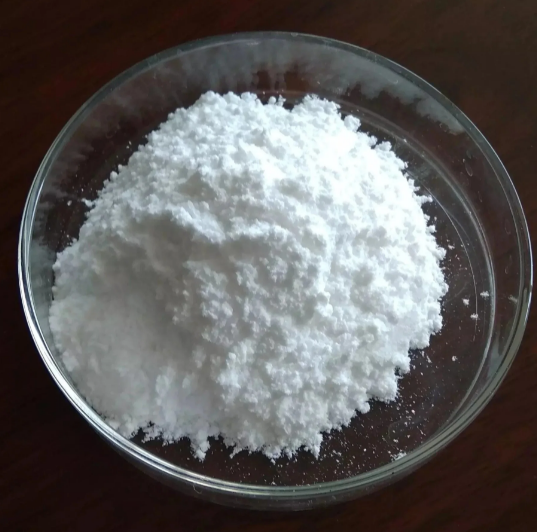
3,3′,5,5′-Tetramethylbenzidine CAS:207738-08-7
3,3′,5,5′-Tetramethylbenzidine, also known as TMB, is a chemical compound commonly used as a chromogenic substrate in enzyme-linked immunosorbent assays (ELISA) and other biochemical assays. It is often used to detect and quantify the presence of enzymes such as horseradish peroxidase (HRP) in various biological samples. TMB undergoes a color change from colorless to blue in the presence of these enzymes. Subsequently, the reaction can be stopped by adding an acid which converts the blue color to a final yellow color. The intensity of the yellow color is proportional to the amount of enzyme present, allowing for quantification.
.
-
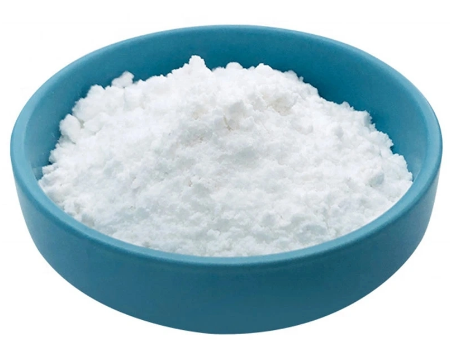
MBTH CAS:38894-11-0 Manufacturer Price
3-Methyl-2-benzothiazolinone hydrazone hydrochloride monohydrate is a chemical compound that consists of a hydrazone derivative of 3-Methyl-2-benzothiazolinone, which is further combined with hydrochloride and water molecules. It is a white crystalline powder that is soluble in water.
This compound has been primarily used in various laboratory applications, particularly in analytical chemistry. It is known for its ability to react with aldehydes and ketones, forming highly colored products that can be easily detected and quantified. This feature makes it useful in assays and tests that involve the determination of aldehyde and ketone concentrations.
-
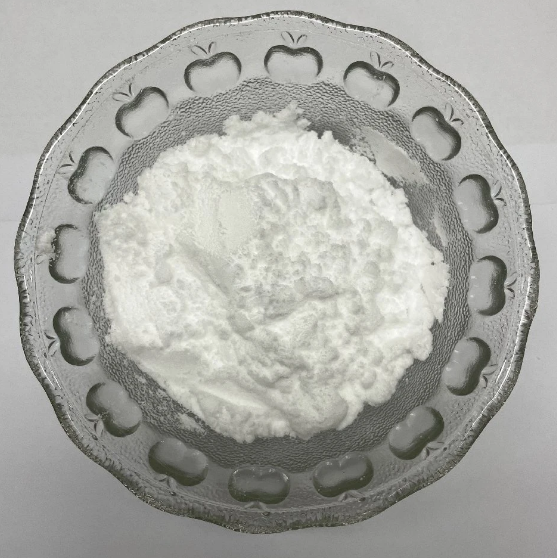
APS-5 CAS:193884-53-6 Manufacturer Price
(4-Chlorophenyl)thio-methanol 1-(dihydrogen phosphate) disodium salt (1:2) is a chemical compound that belongs to the class of acridine derivatives. It consists of a 10-methylacridine ring system with a thioether group attached to the 4-chlorophenyl position. The compound also contains a methanol group and two phosphate groups that are partially neutralized by sodium ions.
-

D-Glucose-6-phosphate disodium salt dihydrate CAS:3671-99-6
D-Glucose-6-phosphate disodium salt is a compound that consists of a glucose molecule phosphorylated at the sixth carbon position. It is in the form of a disodium salt, meaning it has two sodium ions associated with it.Glucose-6-phosphate is an important intermediate in various metabolic pathways, particularly in carbohydrate metabolism. It serves as a crucial molecule in processes such as glycolysis, glycogen synthesis, and the pentose phosphate pathway.Being a phosphorylated form of glucose, glucose-6-phosphate has a different structure and properties compared to regular glucose. It plays a significant role in regulating glucose metabolism and controlling energy production within cells.In research and biochemical applications, D-glucose-6-phosphate disodium salt is commonly used as a substrate or reagent in enzymatic assays and studies. It can be utilized to investigate glucose metabolism, enzyme kinetics, and metabolic disorders, among other applications.
-
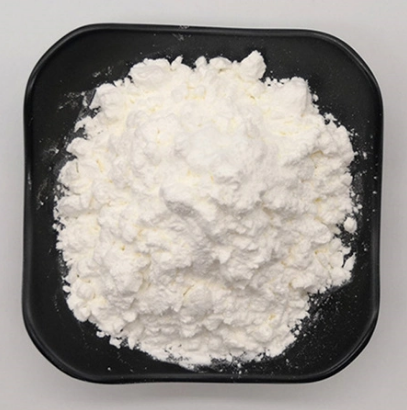
Carbenicillin Disodium Salt CAS:4800-94-6
Carbenicillin Disodium Salt is a semi-synthetic antibiotic derived from penicillin. It belongs to the family of penicillinase-resistant penicillins and is used primarily to treat infections caused by susceptible gram-negative bacteria. It works by inhibiting bacterial cell wall synthesis, leading to the destruction of the bacterial cell. Carbenicillin Disodium Salt is commonly used in clinical and laboratory settings for its broad spectrum of activity against various bacterial strains.
-
5-Bromo-4-chloro-3-indolyl phosphate disodium salt CAS:102185-33-1
5-Bromo-4-chloro-3-indolyl phosphate disodium salt (BCIP) is a chemical compound commonly used in molecular biology and biochemistry applications. It is a chromogenic substrate for alkaline phosphatase enzymes.
BCIP is often used in conjunction with nitroblue tetrazolium (NBT) as a substrate to detect alkaline phosphatase activity. When BCIP is dephosphorylated by alkaline phosphatase, a blue precipitate forms, allowing for the visualization of the enzyme’s presence or activity.
This compound is particularly useful in applications such as immunohistochemistry, in situ hybridization, and enzyme-linked immunosorbent assays (ELISAs) to detect the presence or localization of specific biomolecules or nucleic acids. The blue precipitate formed by BCIP provides a visible signal that assists in the identification and analysis of target molecules in experimental samples.
-
2-Chloro-4-nitrophenyl-α-L-fucopy ranoside CAS:157843-41-9
2-Chloro-4-nitrophenyl-alpha-L-fucopyranoside is a synthetic chemical compound. It is a derivative of fucose, a monosaccharide that is commonly found in various biological molecules. This compound contains a chlorine atom and a nitro group attached to a phenyl ring, which is linked to the fucose molecule.The specific applications and properties of 2-chloro-4-nitrophenyl-alpha-L-fucopyranoside may vary, depending on its intended use. However, similar fucoside derivatives have been used in biochemical research for various purposes, including studying glycosylation processes, investigating enzyme activities, and analyzing carbohydrate-protein interactions.
-
3′,5′-Dimethoxy-4′-hydroxyacetophenone CAS:2478-38-8
3′,5′-Dimethoxy-4′-hydroxyacetophenone is a chemical compound with the molecular formula C10H12O4. It belongs to the class of organic compounds known as phenols and is derived from acetophenone. It is characterized by the presence of two methoxy groups (-OCH3) at positions 3′ and 5′ on the phenol ring and a hydroxy group (-OH) at position 4′. This compound is commonly used as an intermediate or building block in organic synthesis, particularly in the production of pharmaceuticals and other biologically active compounds.
-

Sodium Salt salt CAS:139-41-3 Manufacturer Price
N,N-Bis(2-hydroxyethyl)glycine sodium salt is a chemical compound used as a buffering agent in various biochemical and biophysical applications. It helps maintain a stable pH level in experimental conditions, making it useful in enzyme studies, protein research, cell culture, and Western blotting techniques.
-

4-Aminophthalhydrazide AMPPD CAS:3682-14-2
4-Aminophthalhydrazide, also known as 4-APhH, is a chemical compound with the molecular formula C8H8N2O. It belongs to the class of hydrazide compounds and is derived from phthalic acid.
.
-
![N-[3-(2-Furyl)acryloyl]-Phe-Gly-Gly CAS:64967-39-1](https://cdn.globalso.com/xindaobiotech/图片478.png)
N-[3-(2-Furyl)acryloyl]-Phe-Gly-Gly CAS:64967-39-1
N-[3-(2-Furyl)acryloyl]-Phe-Gly-Gly is a chemical compound with a complex name that represents a specific peptide sequence. It consists of various amino acids connected together in a specific order: phenylalanine (Phe), glycine (Gly), and glycine (Gly).
The compound is modified with a furan ring at the acryloyl group, which gives it unique properties and functions. This modification may impart unique characteristics to the compound, such as altered stability, reactivity, or biological activity.
-
N-Acetyl-L-cysteine CAS:616-91-1
N-Acetyl-L-cysteine (NAC) is a modified form of the amino acid cysteine. It provides a source of cysteine and can be readily converted into the tripeptide glutathione, a powerful antioxidant in the body. NAC is known for its antioxidant and mucolytic properties, making it useful in various health applications.
As an antioxidant, NAC helps protect cells from damage caused by free radicals, reactive oxygen species, and toxins. It also supports glutathione synthesis, which plays a crucial role in the body’s detoxification processes and maintaining a healthy immune system.
NAC has been studied for its potential benefits in respiratory health, particularly for individuals with conditions such as chronic bronchitis, COPD, and cystic fibrosis. It is commonly used as an expectorant to help thin and loosen mucus, making it easier to clear the airways.
Furthermore, NAC has shown promise in supporting liver health by assisting in the removal of toxic substances, such as acetaminophen, a common pain reliever. It may also have protective effects against liver damage caused by alcohol consumption.
In addition to its antioxidant and respiratory support properties, NAC has been explored for its potential benefits in mental health. Some research suggests that it may have a positive impact on mood disorders, such as depression and obsessive-compulsive disorder (OCD).

