-

4-Amino-3-hydrazino-1,2,4-triazol-5-thiol CAS:28836-03-5
4-Amino-3-hydrazino-1,2,4-triazol-5-thiol is a chemical compound with a complex structure consisting of an amino group (NH2), a hydrazino group (NHNH2), and a thiol group (SH) attached to a 1,2,4-triazole ring.
It is a relatively small molecule with potential use in various applications, including medicinal chemistry and pharmaceutical research. The presence of the amino and hydrazino groups suggests potential reactivity and affinity towards biological targets.
-

1Luminol monosodium salt CAS:20666-12-0
3-Aminophthalhydrazide monosodium salt is a chemical compound that is often used as a reagent in various biochemical and analytical applications. It is a derivative of phthalhydrazide, containing an amino group (NH2) instead of one of the hydrogen atoms on the phthalhydrazide molecule.
This compound is commonly used as a reducing agent or a catalyst in organic synthesis reactions. It can participate in a variety of reactions, including the reduction of carbonyl compounds to their corresponding alcohols, and the conversion of nitro compounds to their corresponding amines.
In addition to its role in organic synthesis, 3-Aminophthalhydrazide monosodium salt also has applications in analytical chemistry. For example, it has been used as a reagent for the determination and quantification of various analytes, such as aldehydes and ketones, through colorimetric or spectrophotometric methods.
Furthermore, this compound can be employed as a probe or indicator in biochemical and molecular biology experiments. It can react selectively with certain functional groups or biomolecules, enabling the detection or labeling of specific targets in biological samples.
-
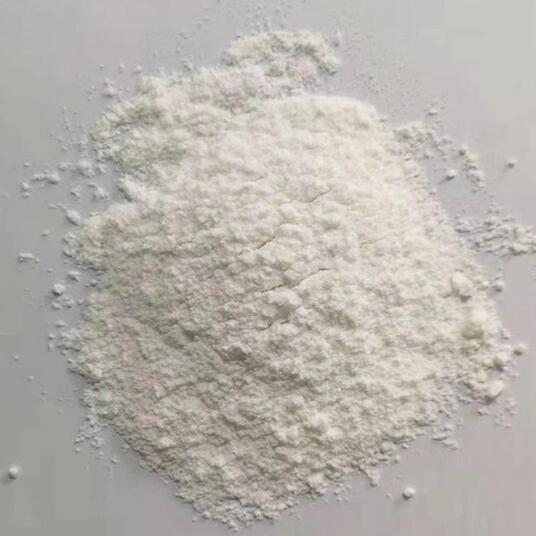
1,8-diazafluoren-9-one CAS:54078-29-4
1,8-Diazafluoran-9-one is an organic compound that belongs to the diazafluoranone family. It is characterized by a fused ring structure containing two nitrogen atoms and a ketone group. This compound has potential applications in various fields, including organic synthesis, medicinal chemistry, and material sciences. Its precise uses and properties may vary depending on the specific context and application.
-
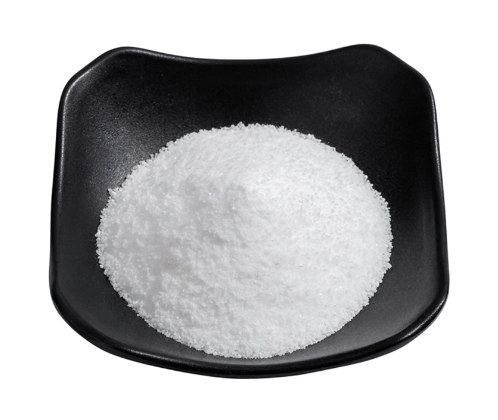
N,N-Bis(2-hydroxyethyl)-2-aminoethanesulfonic acid sodium salt CAS:66992-27-6
N,N-Bis(2-hydroxyethyl)-2-aminoethanesulfonic acid sodium salt, also known as HEPES sodium salt, is a chemical compound commonly used as a pH buffering agent in biological and chemical laboratories. It helps maintain a stable pH range, making it ideal for applications such as cell culture, enzyme assays, protein studies, electrophoresis, and pharmaceutical formulations. HEPES sodium salt ensures optimal conditions for biological processes and enhances the accuracy and reliability of experimental results.
-
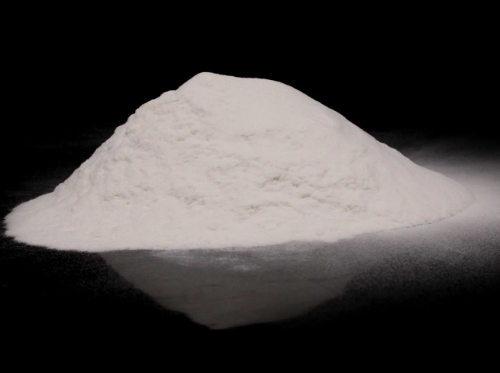
S-Butyrylthiocholine iodide CAS:1866-16-6
S-Butyrylthiocholine iodide is a chemical compound commonly used in biochemical and enzymatic assays. It is a substrate for the enzyme butyrylcholinesterase (BChE) and is used to measure its activity.
When S-Butyrylthiocholine iodide is hydrolyzed by BChE, it produces thiocholine and butyric acid as products. The release of thiocholine can be measured using a spectrophotometric or fluorometric assay, allowing quantification of BChE activity.
S-Butyrylthiocholine iodide is often used in clinical and research settings to evaluate the activity of BChE in samples such as blood plasma or tissues. It can be used to assess the enzymatic function of BChE and its potential role in various biological processes, as well as in the diagnosis and monitoring of certain medical conditions.
-

Heparin sodium CAS:9041-08-1
Heparin sodium is a medication that belongs to the class of anticoagulants or blood thinners. It is derived from the natural compound heparin, which is found in certain tissues in the body, particularly in the liver and lungs.
Heparin sodium is primarily used to prevent and treat blood clotting disorders, such as deep vein thrombosis (DVT), pulmonary embolism (PE), and arterial thromboembolism. It works by inhibiting the production and activity of clotting factors, thus preventing the formation and growth of blood clots.
-
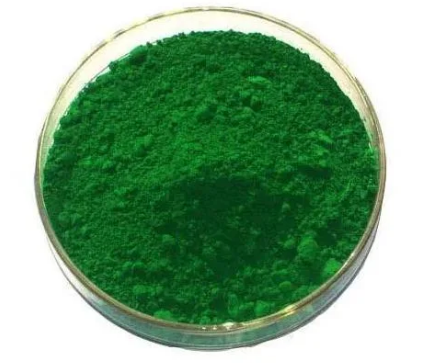
ABTS (2,2′-Azino-bis(3-ethylbenzthiazoline-6-sulfonic acid) diammonium salt) CAS:30931-67-0
Diammonium 2,2′-azino-bis(3-ethylbenzothiazoline-6-sulfonate), often referred to as ABTS, is a commonly used chromogenic substrate in biochemical assays, particularly in the field of enzymology. It is a synthetic compound that is used to measure the activity of various enzymes, including peroxidases and oxidases.
ABTS is colorless in its oxidized form but turns blue-green when oxidized by an enzyme in the presence of hydrogen peroxide or molecular oxygen. This color change is due to the formation of a radical cation, which absorbs light in the visible spectrum.
The reaction between ABTS and the enzyme produces a colored product that can be measured spectrophotometrically. The intensity of the color is directly proportional to the enzymatic activity, allowing researchers to quantitatively evaluate enzyme kinetics, enzyme inhibition, or enzyme-substrate interactions.
ABTS has a broad range of applications in various fields, including clinical diagnostics, pharmaceutical research, and food science. It is highly sensitive and offers a wide dynamic range, making it a popular choice for many biochemical assays.
-
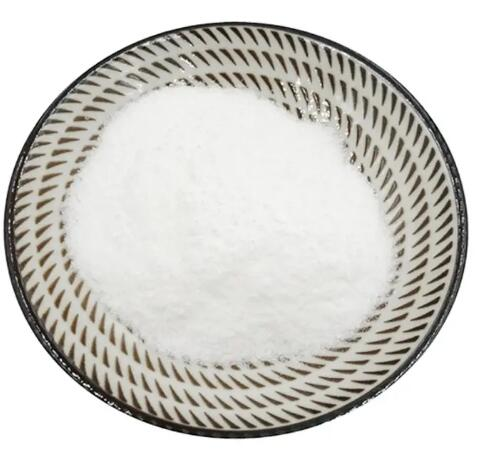
BETA-GLYCEROL PHOSPHATE DISODIUM SALT CAS:13408-09-8
BETA-GLYCEROL PHOSPHATE DISODIUM SALT is a chemical compound that is often used in various research applications, particularly in the field of biochemistry. It is a derivative of glycerol phosphate, which is a crucial molecule involved in metabolic pathways.
This salt form of beta-glycerol phosphate is commonly used as a supplement in cell culture media to support cell growth and survival. It provides a source of phosphate, which is essential for many cellular processes, including energy production and nucleic acid synthesis.
In addition to its role in cell culture, BETA-GLYCEROL PHOSPHATE DISODIUM SALT is also utilized as a substrate in enzymatic assays to measure the activity of certain enzymes, such as glycerol kinase. The compound can be metabolized by these enzymes, producing a detectable product that allows for the quantification of enzymatic activity.
.
-
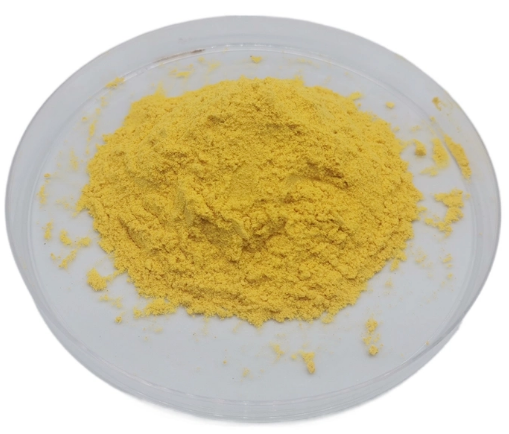
3,5-Dichlorophenyldiazonium tetrafluoroborate CAS:350-67-4
3,5-Dichlorophenyldiazonium tetrafluoroborate is a chemical compound that is commonly used in organic synthesis. It is a diazonium salt, which means it contains a diazonium group (N2+) attached to a phenyl ring that is substituted with chlorine atoms at the 3rd and 5th positions.
This compound is often employed in reactions that involve coupling with other aromatic compounds. It can undergo reactions such as electrophilic aromatic substitution, where it can transfer its diazonium group to another nucleophilic aromatic compound to form a new bond. This is particularly useful for the introduction of functional groups onto aromatic rings.
-
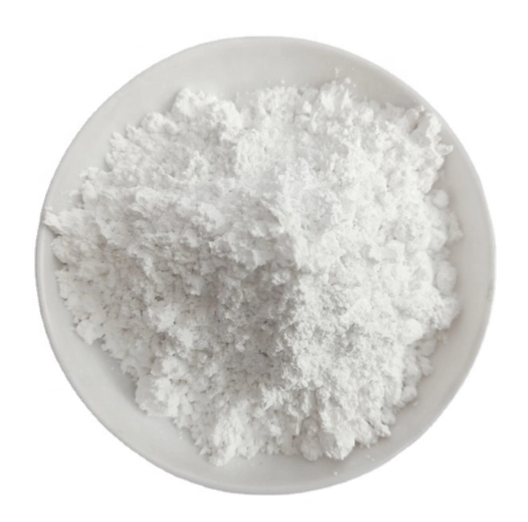
4-NITROPHENYLΑ-D-MALTOHEXAOSIDE CAS:74173-30-1
4-Nitrophenyl α-D-maltohexaoside is a compound belonging to the class of α-glycosidic linkages. It is a derivative of maltose, which is a disaccharide composed of two glucose units. In this compound, the hydroxyl group of the first glucose unit is substituted with a nitrophenyl moiety.
This compound is commonly used as a substrate in enzymatic assays to study the activity of various enzymes, particularly those involved in carbohydrate metabolism. The nitrophenyl group allows for easy detection and quantification of enzymatic reactions by measuring the absorbance or fluorescence of the cleaved product.
-
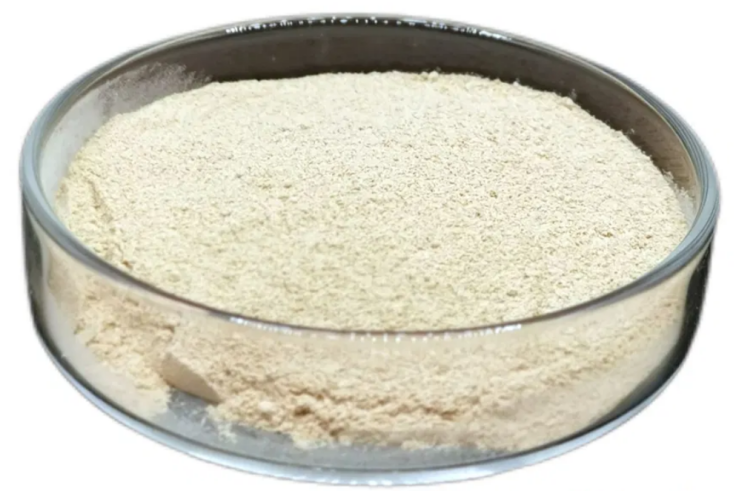
2-Chloro-4-nitrophenyl-α-D-maltotriosi de CAS:118291-90-0
2-chloro-4-nitrophenylmaltotrioside is a compound that is commonly used as a substrate in enzymatic assays to study the activity of certain enzymes called glycosidases.
-
2-DIMETHYLAMINOISOPROPYL CHLORIDE HYDROCHLORIDE CAS:4584-49-0
2-Dimethylaminoisopropyl chloride hydrochloride is a chemical compound with the molecular formula C6H15Cl2N. It is commonly abbreviated as DMAIP HCl. This compound is a hydrochloride salt of 2-dimethylaminoisopropyl chloride.
DMAIP HCl is primarily used as a reagent in organic synthesis, particularly in the synthesis of pharmaceuticals and other organic compounds. It serves as a versatile alkylating agent, contributing to the formation of carbon-carbon and carbon-nitrogen bonds in various reactions.
Due to its electrophilic nature, DMAIP HCl can react with nucleophiles, such as amines and thiols, to form substituted derivatives. This makes it useful for introducing alkyl or alkyl-aryl functional groups into organic molecules.
DMAIP HCl is also used in the production of quaternary ammonium compounds, which find applications as surfactants, disinfectants, and catalysts in various industries.