-
Sodium Erythorbate CAS:6381-77-7 Manufacturer Supplier
Sodium Erythorbate and D-Sodium Erythorbate (also known as D-isoascorbic acid, chemical formula C6H8O6) are mainly used as food antioxidants, widely used in meat food, fish food, beer, fruit juice, fruit juice crystal, canned fruit and vegetables, pastry, dairy products, jam, wine, pickles, oil and other processing industries. Isovc sodium is widely used in meat products. As a hair color aid and meat hair color agent nitrite, isoVC sodium has an obvious color protection effect. An appropriate amount of nitrite can inhibit the growth and reproduction of botulinum toxin bacteria and play a role in preservation. Isovc sodium is indispensable in the production of ham sausage, canned meat products, sausage, soy sauce meat and other meat products.
-
Glyceryl Monolaurate CAS:142-18-7 Manufacturer Supplier
Glyceryl Monolaurate is a 1-monoglyceride with dodecanoyl (lauroyl) as the acyl group. It is a 1-monoglyceride and a dodecanoate ester.Glycerol monolaurate is an advanced food emulsifiers preservatives nowadays, exists in breast milk naturally .Distilled Glycerol Monolaurate(GML) 90% min is an advanced food emulsifiers preservatives nowadays.
-
Erythoric Acid CAS:89-65-6 Manufacturer Supplier
Erythorbic Acid is used as a food additive as an antimicrobial and antioxidative agent.Erythorbic acid is a stereoisomer of L-ascorbic acid, and is used as an antioxidant in foods and oral pharmaceutical formulations. It has approximately 5% of the vitamin C activity of L-ascorbic acid.
-
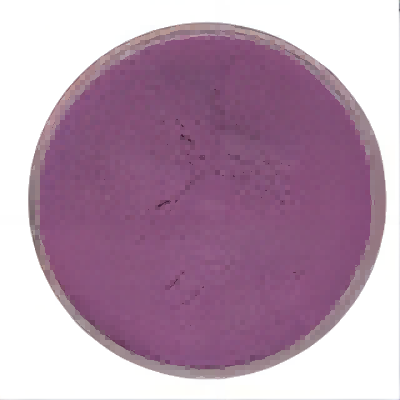
Enocyanin CAS:11029-12-2 Manufacturer Supplier
Enocyanin is an anthocyanin obtained from grapes. It can affect the activities of leucine aminopeptidase, acid phosphatase, γ-glutamyl transpeptidase and esterase.Enocyanin is used for acid drinks, wine, jam, jelly and other food coloring.
-
Beta-Cyclodextrin CAS:7585-39-9 Manufacturer Supplier
Cyclodextrins refer to a family of compounds consisting of sugar molecules bound together in ring (cyclic oligosaccharides). It is produced from starch through enzymatic conversion. Beta-cyclodextrin is the 7-membered sugar ring molecular form of cyclodextrin. Cyclodextrin has various applications. In the pharmaceutical industry, it can be used as complexing agents for increasing the solubility of poorly soluble drug as well as increasing their bioavailability and stability. It can also alleviate the gastrointestinal drug irritation, and prevent drug-drug and drug-excipient interactions. It can also be used in food, pharmaceutical, drug delivery, and chemical industries, as well as agriculture and environmental engineering.
-
Sodium Metabisulphite CAS:7631-90-5 Manufacturer Supplier
Sodium hydrogensulfite is an inorganic sodium salt having hydrogensulfite as the counterion. It has a role as a mutagen and an allergen. It is an inorganic sodium salt and a sulfite salt. It contains a hydrogensulfite.
-
Monosodium Phosphate CAS:7558-80-7 Manufacturer Supplier
Sodium dihydrogenphosphate is a sodium phosphate.Sodium phosphate monobasic is an effective oral osmotic laxative at minimal concentration. It is used for colonic cleansing before endoscopic examination of colon.Monobasic sodium phosphate is widely used as an excipient in parenteral, oral, and topical pharmaceutical formulations.
-
Glucomannan (Konjac Flour) CAS:11078-31-2 Manufacturer Supplier
Glucomannan is a linear polysaccharide comprising 1,4-β-linked D-glucosyl and D-mannosyl residues, where the glucose:mannose (Glc:Man) ratio varies considerably. Konjac (Amorphophallus konjac) glucomannan has a Glc:Man ratio of approx. 2:3, Aloe vera glucomannan a ratio of 1:2, and salep (Orchis mureo) glucomannan has a ratio of approximately 1:4. All of the polysaccharides are acetylated, which imparts water solubility. Glucomannans are major cell-wall reserve carbohydrates in tubers of several plant genera. At certain stages in the development of the plants, the glucomannan is degraded and serves as an energy source.
-
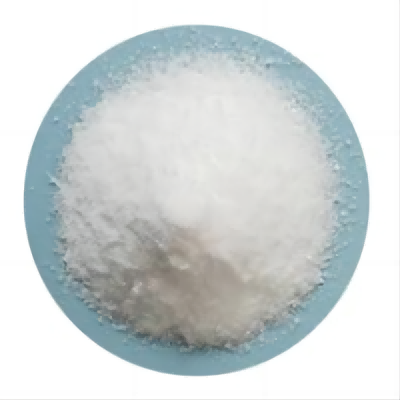
Sorbic Acid CAS:110-44-1 Manufacturer Supplier
Sorbic acid, also known as herbal tea acid, 2,4-hexadienoic acid, 2-propenyl acrylic acid, with molecular formula C6H8O2, is a food additive that has inhibitory effects on many fungi such as yeast and mold. It is also used in animal feed, cosmetics, pharmaceuticals, packaging materials and rubber additives.
-
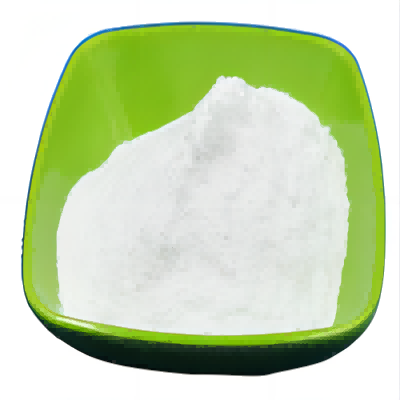
Glycine CAS:56-40-6 Manufacturer Supplier
Glycine (abbreviated as Gly or G) is an organic compound with the formula NH2CH2COOH. Having a hydrogen substituent as its side-chain, glycine is the smallest of the 20 amino acids commonly found in proteins. Its codons are GGU, GGC, GGA, GGG of the genetic code.Glycine is a colourless, sweet-tasting crystalline solid. It is unique among the proteinogenic amino acids in that it is not chiral. It can fit into hydrophilic or hydrophobic environments, due to its minimal side chain of only one hydrogen atom. Glycine is also the genus name of the Soybean plant (species name = Glycine max).
-
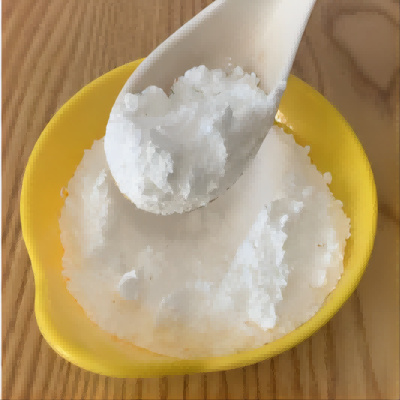
Ethoxyquin CAS:91-53-2 Manufacturer Supplier
Ethoxyquin is used as an antioxidant in animal feed and caused contact dermatitis in a worker at an animal feed mill.Ethoxyquin is a quinoline that is 1,2-dihydroquinoline bearing three methyl substituents at position 2, 2 and 4 as well as an ethoxy substituent at position 6. It has a role as a herbicide, an UDP-glucuronosyltransferase activator, a neuroprotective agent, a Hsp90 inhibitor, a genotoxin, a food antioxidant, a geroprotector and an antifungal agrochemical. It is a member of quinolines and an aromatic ether.
-
Ethyl Maltol CAS:4940-11-8 Manufacturer Supplier
Ethyl Maltol is a flavoring agent that is a white, crystalline powder. it has a unique odor and a sweet taste that resembles fruit. the melt- ing point is 90°c. it is sparingly soluble in water and propylene gly- col and soluble in alcohol and chloroform. it is obtained by chemical synthesis.Ethyl maltol is a synthetic homologue of maltol, often found as flavor enhancers and it contributes to the fragrance of commercials products such as cereals, breads, malt beverages, coffee, soybeans and chocolate milk.

